

What Wood Is Used in French Country Furniture?
French country furniture is known for its warmth, character, and timeless appeal. While graceful curves and hand-carved details often receive the most attention, one of the defining features of authentic French country furniture is the wood itself. The choice of wood has always been central to the style, influencing not only the appearance of each piece but also its durability and the way it ages over time.
Unlike many modern furniture styles that rely on engineered materials or highly processed finishes, traditional French country furniture was built from solid hardwoods that were readily available throughout the French countryside. Craftsmen selected woods that could withstand daily use while showcasing beautiful grain patterns, natural color variations, and the subtle imperfections that give handmade furniture its unique personality.
Whether you're shopping for authentic antiques or modern reproductions, understanding the woods commonly used in French country furniture can help you recognize quality craftsmanship and choose pieces that will remain beautiful for decades.
Why Natural Wood Is Essential to French Country Style
French country decorating celebrates authenticity. Rather than hiding natural materials beneath thick paint or glossy finishes, the style embraces the beauty of wood grain, knots, and the gentle signs of aging that develop over time.
Historically, furniture makers in rural France worked with whatever hardwoods were available in their region. These locally sourced materials were not only practical but also reflected the surrounding landscape, giving every piece a sense of place. Unlike the extravagant veneers and exotic woods favored in royal palaces, provincial furniture relied on honest craftsmanship and durable construction.
Even painted pieces often reveal hints of the wood beneath, adding depth and character that cannot be replicated by manufactured materials.
Oak: The Most Common Wood in French Country Furniture
If one wood defines French country furniture more than any other, it is oak.
For centuries, oak has been prized for its remarkable strength, durability, and distinctive grain. French craftsmen frequently used oak to build dining tables, buffets, armoires, cabinets, and large storage pieces because it could withstand generations of daily use without losing its structural integrity.
Oak's prominent grain also contributes to the relaxed, organic appearance associated with French country interiors. Even when painted or lightly whitewashed, the texture of the wood often remains visible, creating depth and authenticity.
One of the reasons antique French oak furniture remains so desirable today is the way it ages. Over time, the wood develops a rich patina that adds warmth and character, making each piece truly one of a kind.
Walnut Adds Richness and Elegance
Walnut has long been considered one of France's finest furniture woods. While oak was often chosen for large farmhouse furniture, walnut became popular for more refined pieces because of its smooth grain and naturally rich coloring.
French country sideboards, writing desks, accent tables, and bedroom furniture were frequently crafted from walnut, especially in regions where the wood was readily available.
Unlike oak, walnut has a finer, more consistent grain and ranges in color from medium brown to deep chocolate tones. This natural richness allows many walnut pieces to be finished with little more than wax or oil, allowing the wood itself to become the focal point.
Walnut also carves beautifully, making it an excellent choice for furniture featuring decorative moldings, floral motifs, or graceful curved legs.
Cherry Wood Offers Warm, Timeless Beauty
Cherry wood has been used in European furniture making for centuries because of its smooth texture and ability to develop an increasingly rich color as it ages.
Freshly milled cherry often has a light reddish-brown appearance, but exposure to sunlight gradually deepens its tone into a warm amber or reddish-brown that complements traditional French interiors.
French country furniture makers appreciated cherry for its workability. It could be shaped into elegant silhouettes while maintaining excellent stability, making it a popular choice for dining chairs, bedside tables, and smaller cabinets.
Its subtle grain gives furniture a refined appearance without feeling overly formal, allowing cherry pieces to blend seamlessly with both painted furniture and rustic oak furnishings.
Beech Was Often Used for Seating
Beech has played an important role in European furniture making for hundreds of years, particularly in chairs and upholstered seating.
The wood is strong, flexible, and relatively easy to steam bend, allowing craftsmen to create the graceful curves found in many French country dining chairs and Bergère armchairs.
Because beech has a smooth, even grain, it also accepts paint exceptionally well. Many antique French chairs finished in soft whites, creams, or muted gray tones were originally crafted from beech before being painted by hand.
Its durability continues to make it a favorite choice for high-quality seating today.
Maple Provides Strength and Versatility
Although less commonly associated with traditional French antiques than oak or walnut, maple has been used in French-inspired furniture because of its exceptional hardness and clean appearance.
Its light color makes it particularly well suited to painted finishes, limed treatments, and soft stains that complement French country interiors.
Modern furniture makers frequently use maple when creating updated interpretations of classic French country designs because it combines durability with a smooth surface that accepts a variety of finishes.
Fruitwoods Were Popular in Provincial Furniture
In many rural regions of France, craftsmen worked with fruitwoods harvested from local orchards. Pear, apple, and occasionally plum wood found their way into smaller furniture pieces, decorative boxes, and accent tables.
These woods were valued for their fine grain and warm coloring. Although less common than oak or walnut, fruitwoods added variety to provincial furniture and reflected the resourcefulness of local artisans, who often built furniture using materials readily available within their communities.
Today, antique fruitwood furniture is especially prized by collectors for its unique color, tight grain, and historical significance.
Painted Finishes Never Hide the Wood Completely
One characteristic that distinguishes French country furniture from many other painted furniture styles is the relationship between the finish and the wood beneath it.
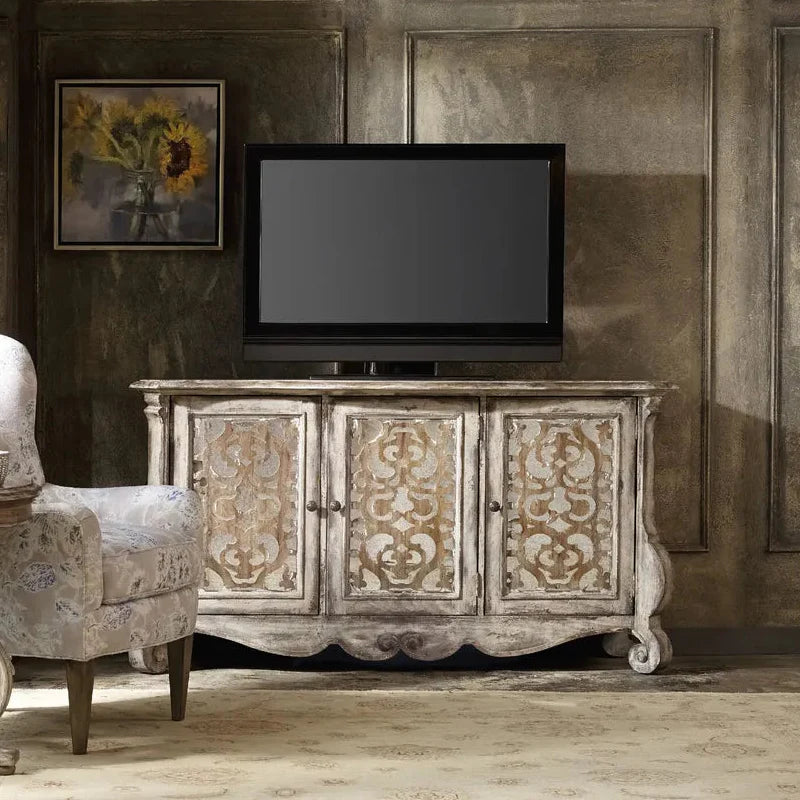
Traditional painted finishes were often applied by hand using milk paint, chalk-based paints, or lime washes that allowed subtle variations in texture to remain visible. As furniture naturally aged, edges softened, paint wore gently, and small areas of exposed wood added depth rather than appearing damaged.
This naturally weathered appearance is very different from heavily distressed furniture that is intentionally made to look old. Authentic French country furniture develops its character gradually through years of use, giving every piece a unique story.
Why Solid Wood Matters
One of the reasons antique French country furniture has survived for centuries is its construction. Provincial craftsmen relied on traditional joinery methods such as mortise-and-tenon joints, dovetails, and wooden pegs rather than nails or inexpensive fasteners.
These techniques were possible because furniture was built from solid hardwood rather than engineered materials.
Solid wood also offers practical benefits for today's homeowners. It can be refinished multiple times, repaired when damaged, and develops a beautiful patina that enhances its appearance rather than diminishing it.
While high-quality veneers have their place in fine furniture, authentic French country style is most closely associated with solid wood construction that showcases the natural beauty of the material itself.
Modern French Country Furniture Uses Traditional Woods
Many of today's furniture manufacturers continue to use the same hardwoods that have defined French country design for centuries. Oak remains the preferred choice for dining tables and buffets, walnut is still valued for its elegance, and beech continues to be used in upholstered seating.
Some manufacturers also incorporate reclaimed wood into their collections, giving new furniture the texture and character of antique pieces while supporting more sustainable building practices.
Although finishes have evolved and construction techniques have become more precise, the materials themselves remain remarkably faithful to the traditions established by French craftsmen generations ago.
How to Choose Quality French Country Furniture
When shopping for French country furniture, the type of wood is often one of the clearest indicators of quality. Pieces crafted from solid oak, walnut, cherry, or beech tend to be more durable and develop greater character over time than furniture made from particleboard or inexpensive veneers.
It's also worth paying attention to the finish. A quality French country piece should enhance the wood rather than conceal it. Visible grain, softly aged surfaces, and hand-applied finishes create the warmth and authenticity that make this style so enduring.
Rather than focusing solely on decorative details, consider how the furniture is built. Traditional joinery, solid hardwood construction, and natural materials are all signs of craftsmanship that will reward you for years to come.
Final Thoughts
The beauty of French country furniture begins with the wood from which it is made. For centuries, artisans throughout rural France relied on locally sourced hardwoods such as oak, walnut, cherry, beech, and fruitwoods to create furniture that balanced elegance with everyday practicality. These natural materials not only provided exceptional durability but also gave each piece its own distinctive character through visible grain, rich color, and the patina that develops with age.
Whether you're furnishing an entire home or adding a single statement piece, understanding the woods traditionally used in French country furniture can help you recognize quality craftsmanship and choose furniture that captures the warmth, authenticity, and timeless appeal that define this beloved design style.


Leave a comment
This site is protected by hCaptcha and the hCaptcha Privacy Policy and Terms of Service apply.