


How Can I Tell Quality Boho Chic Furniture From Cheap Replicas?
Boho chic interiors are supposed to feel relaxed, collected, and personal. Unlike decorating styles built around perfectly matching furniture sets, bohemian spaces often combine natural wood, woven fibers, rattan, textiles, vintage-inspired pieces, and handmade-looking details.
That relaxed appearance can make shopping for furniture somewhat deceptive, though.
Two rattan chairs may look almost identical in photographs but differ dramatically in how they are constructed. A beautiful woven cabinet may last for years, while a cheaper version begins to sag, loosen, or peel after a relatively short period of use. Even furniture marketed with terms such as "natural," "handcrafted," or "bohemian" can vary considerably in quality.
So how can you tell whether a piece is worth buying?
The answer usually has less to do with whether furniture fits the boho aesthetic and more to do with what is underneath that aesthetic. Materials, construction, joinery, weaving, hardware, proportions, and finishing can tell you far more about quality than styling alone.
Here is what to examine when shopping for boho chic furniture.
Start With the Materials, Not the Appearance
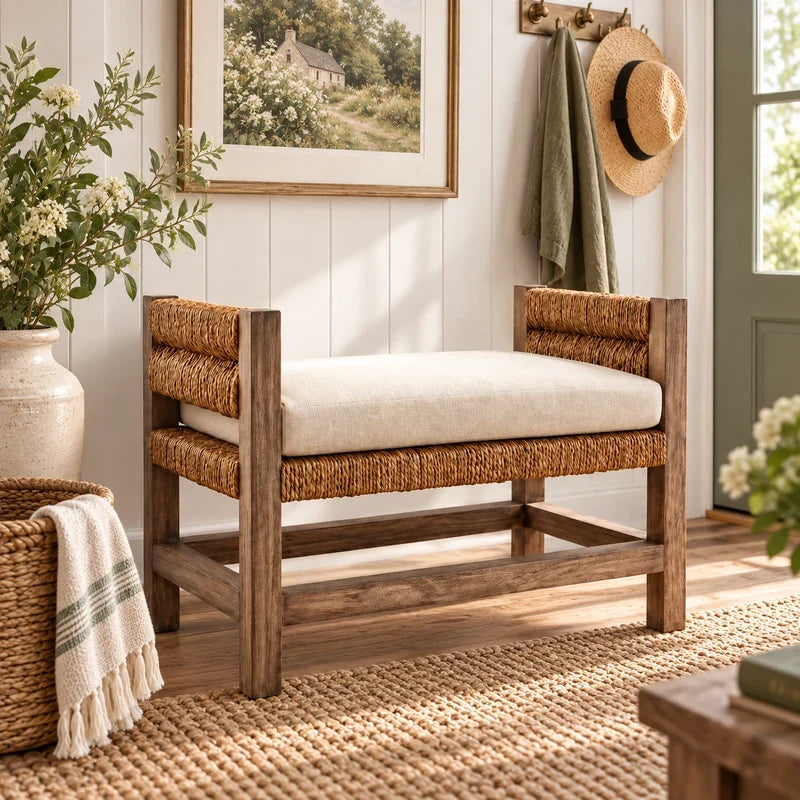
One of the defining characteristics of bohemian interiors is their connection to natural materials. Wood, rattan, cane, jute, seagrass, wool, cotton, linen, and leather can all contribute to the layered, organic feeling associated with the style.
But simply looking natural does not necessarily mean something is made from high-quality natural materials.
Lower-cost furniture can imitate these textures using printed laminates, plastic rattan, synthetic veneers, molded components, or very thin layers of natural material applied over inexpensive substrates.
That does not automatically make the furniture bad. Engineered materials can be perfectly appropriate in certain applications. The important thing is understanding what you are buying.
When comparing pieces, read the material description carefully.
If a table appears to be solid wood, determine whether the manufacturer actually identifies the species of wood. If a cabinet has woven doors, check whether they are natural cane, rattan, synthetic webbing, or another material. For upholstered furniture, look beyond the visible fabric and investigate the frame, cushioning, and upholstery composition whenever those details are available.
Quality furniture tends to be more transparent about its materials.
Learn to Recognize Quality Wood Furniture
Wood plays an important role in boho interiors because it provides warmth and balances lighter woven materials.
A well-made wood table, cabinet, bookshelf, console, or sideboard should generally feel substantial rather than hollow or excessively lightweight.
Look at areas where the construction is visible. Drawer interiors, the underside of tables, backs of cabinets, and exposed edges can sometimes reveal whether a piece is solid wood, veneered wood, plywood, MDF, particleboard, or a combination.
Solid wood isn't necessarily required for every piece of quality furniture. High-quality plywood and properly constructed veneers have long been used in furniture making. The problem is when inexpensive composite materials are disguised to create the impression of something considerably more substantial.
Also pay attention to the wood grain.
Natural wood has variation. Grain patterns shouldn't repeat with mechanical precision across a large surface. Small variations in color, knots, grain direction, and texture are often part of what gives wood furniture its character.
For boho interiors in particular, those imperfections can actually make a piece more appealing.
Examine Rattan and Cane Closely
Rattan and cane are among the materials most closely associated with boho chic furniture, but quality varies enormously.
Start by looking at the frame.
A rattan chair or stool should feel stable when weight is applied. The joints should appear secure, and the frame shouldn't twist excessively or wobble under normal use.
Then inspect the woven sections.
Quality cane or rattan weaving should generally have consistent tension. It doesn't need to look machine-perfect—in fact, small variations can be part of its appeal—but large gaps, loose strands, broken fibers, or badly uneven tension can indicate poor construction.
Pay particular attention to places where the woven material meets the frame. These transition points often reveal how carefully the furniture was made.
Cheap woven furniture may look convincing when new but deteriorate quickly because the weave wasn't properly tensioned or secured.
Check the Joinery
You don't need to be a furniture maker to learn something from the joints.
Look at where legs meet tabletops, where chair rails meet legs, where cabinet frames connect, and where shelves are supported.
These areas experience stress every time the furniture is used.
Good furniture should feel structurally unified. A chair shouldn't creak excessively when you sit down. A table shouldn't rock because one leg is slightly out of alignment. A cabinet shouldn't flex noticeably when the doors are opened.
Screws and other mechanical fasteners aren't automatically signs of cheap furniture, either. They are commonly used in modern furniture construction. The real question is whether the piece has been thoughtfully engineered or simply held together with the least expensive possible method.
If you're shopping online, detailed product photography can be especially helpful. Look for images showing furniture from multiple angles rather than relying exclusively on a beautifully styled room photograph.
Look at the Back and Underside
One of the easiest ways to evaluate furniture is to look where the manufacturer doesn't expect you to look.
The front is designed to sell the piece.
The back often tells you how it was made.
Examine the underside of tables and chairs, the back of cabinets, drawer interiors, shelf supports, and interior corners whenever possible.
You may discover reinforcement blocks, quality joinery, substantial framing, or neatly finished surfaces.
Or you may find thin backing materials, exposed staples, poorly aligned components, excessive glue, or unfinished edges.
Furniture doesn't need to be beautiful underneath, but thoughtful construction is usually visible even in areas that aren't meant to be seen.
Pay Attention to Weight and Stability
Weight isn't a perfect indicator of quality, but it can provide useful information.
A substantial wood console, dining table, or cabinet usually shouldn't feel unexpectedly light. Likewise, a rattan chair should feel light enough to move comfortably while still feeling structurally solid.
More important than weight is stability.
Place your hands on the furniture and gently apply pressure from different directions. It shouldn't rock, twist, or flex excessively.
For chairs and stools, this becomes particularly important because the furniture regularly supports a person's weight.
A decorative boho side table may only hold a lamp and a few books. A dining chair needs to survive thousands of cycles of someone sitting down, leaning back, standing up, and moving the chair.
Furniture should be evaluated according to how it will actually be used.
Inspect Drawers, Doors, and Hardware
Moving components are another good indicator of overall furniture quality.
Open every drawer.
It should move smoothly without twisting or scraping excessively. Check whether the drawer feels sturdy when fully extended.
Cabinet doors should align properly and open without rubbing against the frame or neighboring doors.
Then examine the hardware.
Hinges, drawer slides, pulls, knobs, and handles don't necessarily need to be heavy or elaborate, but they should feel secure and appropriate for the size of the furniture.
Loose hinges and poorly fitted doors on new furniture can become much bigger problems after several years of regular use.
Don't Mistake Imperfection for Poor Quality
This is especially important with bohemian furniture.
Natural materials aren't perfectly uniform.
Rattan may vary slightly in color and diameter. Handwoven fibers may have subtle irregularities. Reclaimed or distressed wood may contain knots, marks, color variations, or evidence of its previous life.
Those characteristics aren't necessarily defects.
In fact, they can be part of what separates an organic-looking interior from one filled with mass-produced imitations.
The distinction is between natural variation and structural problems.
An irregular strand in a handwoven basket is character.
A chair seat coming apart is a defect.
Variation in reclaimed wood is character.
A table with unstable legs is a construction problem.
Learning to distinguish between the two makes shopping for boho furniture much easier.
Be Suspicious of Artificial Distressing
Boho interiors often incorporate furniture that appears aged, weathered, vintage, or handmade.
Manufacturers know that.
As a result, inexpensive furniture sometimes receives aggressive artificial distressing intended to create instant character.
There is nothing inherently wrong with a distressed finish. Many beautiful pieces intentionally use aged finishes. What matters is whether the finish feels integrated into the design.
If every corner has identical sanding marks or the same "wear" pattern appears repeatedly, the aging can feel manufactured rather than natural.
Better distressed furniture tends to have variation and restraint.
The goal shouldn't be making something look damaged. It should be giving the piece depth and character.
Look Closely at Upholstery and Textiles
Boho furniture frequently incorporates upholstery because textiles are such an important part of the style.
Bouclé, linen blends, cotton, velvet, leather, embroidered fabrics, and textured weaves can all work beautifully.
When evaluating an upholstered chair, bench, ottoman, or sofa, examine how the fabric has been applied.
Patterns should generally align appropriately. Seams should look secure. Corners should be neatly finished. Fabric shouldn't appear loose or unevenly stretched.
Then consider what is underneath.
A beautiful textile can't compensate for an uncomfortable cushion or weak frame.
If you're buying an important seating piece, look for information about the frame construction, cushion material, suspension system, and upholstery composition rather than choosing based entirely on the fabric.
Natural Fibers Should Feel Natural
Jute, seagrass, sisal, wool, and cotton are common throughout bohemian interiors.
Their appeal comes partly from texture.
A jute rug, for example, isn't supposed to have the perfectly smooth surface of a synthetic rug. Individual fibers can vary slightly in thickness and color.
Likewise, woven seagrass furniture may have subtle tonal differences.
These characteristics give natural-fiber pieces visual depth.
When shopping online, zoom into product photographs whenever possible. Close-up photography can reveal whether a woven surface has genuine dimensional texture or is simply designed to imitate it.
Avoid Buying Entirely Based on Trends
One of the biggest differences between an authentic boho-inspired home and a room that quickly feels dated is how the furniture was selected.
Bohemian design works best when a room feels collected over time.
That means you don't necessarily need every item to be overtly "boho."
A beautifully constructed wood console can sit beside a rattan chair. A wool rug can ground a contemporary sofa. A woven pendant can hang above a traditional dining table.
The connection comes from material, color, texture, and personality.
Instead of asking whether every item looks bohemian enough, ask whether you would still want the piece if the boho trend disappeared tomorrow.
That simple question can prevent a lot of regrettable furniture purchases.
Quality Boho Furniture Should Work Beyond the Trend
The best boho furniture tends to have something in common with other enduring furniture styles: it doesn't depend entirely on a label.
A well-made rattan dining chair can work in a coastal home.
A natural wood sideboard can complement farmhouse, cottage, transitional, or eclectic interiors.
A woven wool rug can remain in your home even if your decorating style changes completely.
That versatility is valuable.
When browsing Boho Chic Furniture from A Cottage in the City, you'll find pieces that lean into the style through natural materials and texture, including rattan seating, cane furniture, woven ottomans, wool and jute rugs, pillows, lighting, and other decorative pieces.
Rather than trying to recreate a boho showroom, consider choosing individual pieces that can gradually become part of your home.
Questions to Ask Before Buying Boho Chic Furniture
Before purchasing a piece, ask yourself:
-
What is it actually made from?
-
Is the material clearly identified?
-
Does the construction look stable?
-
Are woven sections tight and securely attached?
-
Do drawers and doors operate smoothly?
-
Is the hardware appropriate for the furniture?
-
Are imperfections cosmetic or structural?
-
Does the price make sense for the materials and construction?
-
Would I still like this piece outside of a strictly bohemian room?
-
Can I imagine keeping it for years?
You don't need a furniture-making background to answer most of these questions.
You simply need to look beyond the styling.
Building a Boho Home With Pieces Worth Keeping
The most appealing bohemian rooms rarely look as though everything was purchased at once.
They develop gradually.
A woven chair might be paired with an older wood table. A textured rug might sit beneath a newer sofa. Handmade pottery, books, plants, pillows, artwork, and objects collected over time add another layer of personality.
That is ultimately what makes boho style so enduring.
Quality boho chic furniture should provide the foundation for that collected look rather than trying to create the entire effect on its own.
Focus on natural materials, sturdy construction, useful proportions, tactile texture, and pieces that genuinely appeal to you. When you choose furniture that can survive changing trends—and everyday life—you end up with something much closer to the original spirit of bohemian decorating: a home that feels personal, comfortable, layered, and uniquely yours.



Leave a comment
This site is protected by hCaptcha and the hCaptcha Privacy Policy and Terms of Service apply.